Gu to Go
Global Service Design (International Collaborative Project)
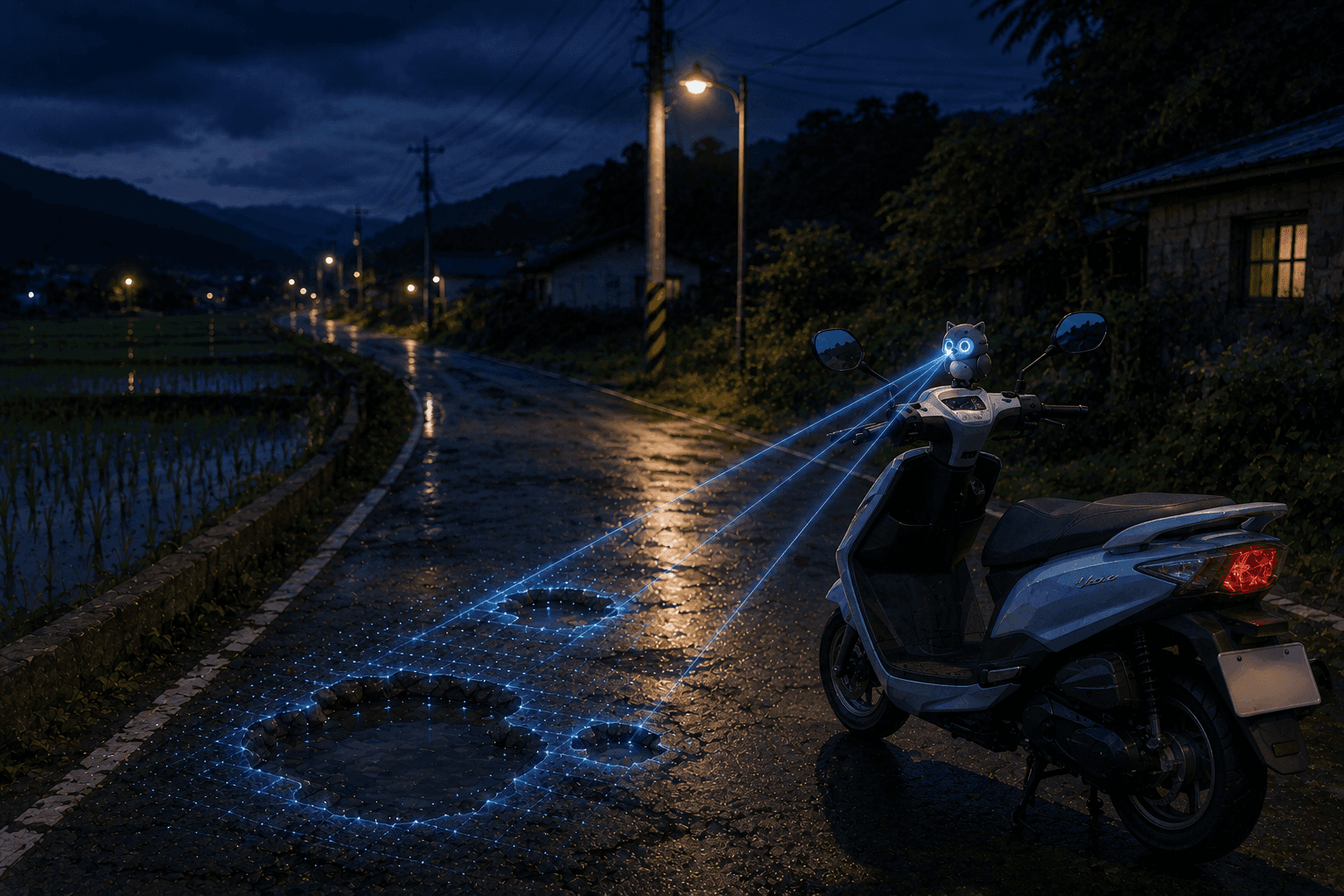
This project was completed as part of the Global Design Project V course at Kyushu University in collaboration with National Cheng Kung University (Taiwan). The course brought together multidisciplinary teams from both universities to explore how service design, AI, and IoT technologies could support the self-reliance of older adults in Japan and Taiwan. The project followed a user-centered design process beginning with research into existing products and services related to independent aging. Our team then conducted interviews with older adults in Fukuoka to better understand their daily routines, challenges, and perspectives on maintaining independence. Following the local research phase, we partnered with a student team from National Cheng Kung University, who had conducted similar interviews with older adults in Taiwan. Together, we synthesized insights from both countries to identify shared needs, cultural differences, and opportunities for new service concepts that could support aging populations across different contexts.
Client:
Kyushu University and National Cheng Kung University
Role:
Design Strategist
Year:
2026


Explore the full story –
Challenge
Japan and Taiwan are both experiencing rapidly aging populations, creating new challenges around independence, mobility, and social participation for older adults. While many products already exist to support independent living, our research revealed that many solutions focused primarily on physical assistance while overlooking emotional well-being, community engagement, and everyday quality of life. The challenge was to develop a service that could encourage greater independence while remaining adaptable to the different lifestyles, cultures, and needs observed across both countries.
Objective
The goal of this project was to design an IoT-enabled service that supports the self-reliance of older adults through meaningful daily experiences rather than simply addressing functional needs. By combining product research, user interviews, and cross-cultural collaboration, our objective was to develop a service concept grounded in real user insights that could improve independence, confidence, and social engagement.
Results
The final concept, Gu to Go, is an IoT-supported service designed to encourage independent and active lifestyles for older adults by combining personalized recommendations, community engagement, and accessible technology into a connected ecosystem. The service integrates digital and physical touchpoints that help users discover local activities, navigate their communities with confidence, and remain socially connected while maintaining their independence. By leveraging AI and IoT technologies, the ecosystem adapts to individual needs and preferences while encouraging meaningful participation in everyday life.


